Medical & Healthcare
 Cybersecurity
 Travel & Hospitality
 Edtech
 Enterprise
 Non-Profit
 Fintech
 Agritech
 Retail & Real Estate
 Design for AI
The Practical AI Tool Stack for Content, Design, and Planning
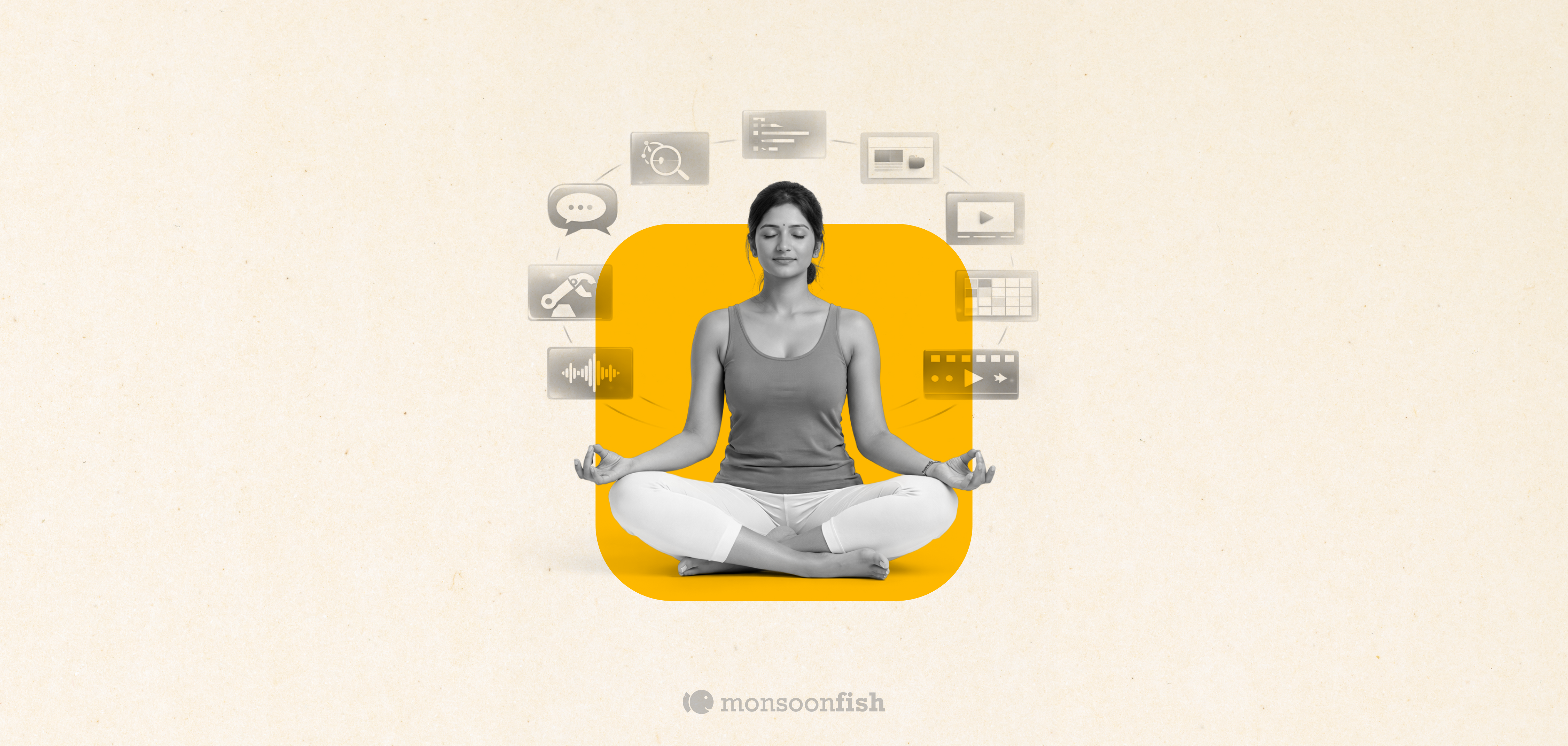
Some products make you ask, “Who approved this?” Not because they’re ugly but because they’re trying to be everything. From silly combos to bloated apps, unnecessary feature bundling adds confusion, breaks trust, and increases risk. Here’s how to spot good bundles vs noise.

CONTENTS
Meta AI (WhatsApp + Meta AI App)Gemini (Gemini Nano Banana Pro) — Profile Photo + BannerGrok — Photo to Video (Simple Mode)Canva AI — Posters + Reels TemplatesClaude AI — Planning, Itineraries, and ChecklistsChatGPT — Medical + Legal Second-Opinion Templates (Information Only)Free vs Paid: What to use first (and when to upgrade)Upgrade to Paid only when you hit one of these problemsWhat’s usually worth paying for (in order)Social Share


CONTENTS
Meta AI (WhatsApp + Meta AI App)Gemini (Gemini Nano Banana Pro) — Profile Photo + BannerGrok — Photo to Video (Simple Mode)Canva AI — Posters + Reels TemplatesClaude AI — Planning, Itineraries, and ChecklistsChatGPT — Medical + Legal Second-Opinion Templates (Information Only)Free vs Paid: What to use first (and when to upgrade)Upgrade to Paid only when you hit one of these problemsWhat’s usually worth paying for (in order)Social Share
CATEGORIES
AI doesn’t need to feel complicated or “technical” to be useful.
Use AI to create real outputs faster—messages, posters, profile images, short videos, and structured plans. Below is the exact tool stack we covered, what each tool is best for, and where to use it (plus quick tips to get better results).
Meta AI (WhatsApp + Meta AI App)
Best for: Fast everyday content + WhatsApp-first communication
Use cases we covered:
-
Festival greetings and quick wishes
-
WhatsApp promo/broadcast messages for products/services
-
Quick reply templates for common customer questions (price, availability, delivery, timing)
-
Invites for events/classes/demos
-
Idea generation (content topics, hooks, angles)
-
Basic fact-check workflow (how to verify claims, not blindly trust them)
Why it’s useful:
It’s the lowest friction tool—works where most conversations already happen. Great for quick drafts and daily messaging.
Tip to get better outputs:
Always ask for 3 versions (friendly / premium / festive) and specify max lines (e.g., 6 lines).
Gemini (Gemini Nano Banana Pro) — Profile Photo + Banner
Best for: Clean, professional-looking images and brand-style banners
Use cases we covered:
-
Professional display picture (DP) for social profiles
-
Matching banner/cover image (LinkedIn cover or clean header-style image)
Why it’s useful:
A clean DP and consistent banner improves trust and makes your profile look more credible across platforms.
Tip to get better outputs:
Add an “avoid list” in your prompt (avoid over-smoothing, distorted faces, weird teeth, heavy HDR). It dramatically reduces “AI-looking” results.
Grok — Photo to Video (Simple Mode)
Best for: Quick photo-to-video clips with minimal effort
Use cases we covered:
-
Converting a profile photo or product photo into a 6–10 second clip
-
Subtle motion videos (gentle push-in, parallax depth) that look premium
Why it’s useful:
Short videos often get more reach than static images. Even a simple motion clip can lift engagement.
Tip to get better outputs:
Keep prompts controlled: “subtle motion only, no face changes, no new objects.”
Canva AI — Posters + Reels Templates
Best for: Posters, layouts, and quick social content creation
Use cases we covered:
-
Product/service posters (price + offer + how to order)
-
Festival offer posters
-
Clean “announcement” and “new drop” posters
-
Poster → Reel conversion using Canva animation templates
Why it’s useful:
Canva is the fastest way to convert an idea into a ready-to-post design—without design skills.
Tip to get better outputs:
Canva results improve when you give it:
-
Exact copy blocks (headline/subhead/bullets/CTA/footer)
-
Layout rules (whitespace, max 2 fonts, CTA as a button)
-
Two variations (minimal + festive)
Claude AI — Planning, Itineraries, and Checklists
Best for: Structured planning outputs that are clean and organized
Use cases we covered:
-
Trip itineraries (timeline + budget + Plan B)
-
Event planning (schedule, shopping list, roles, checklist)
-
Content planning and weekly schedules
Why it’s useful:
Claude is excellent at structured formats—tables, checklists, step-by-step plans—especially when you give good constraints.
Tip to get better outputs:
Always specify: budget, pace, timing, preferences, and what to avoid. Then ask for a Plan B.
ChatGPT — Medical + Legal Second-Opinion Templates (Information Only)
Best for: Organizing information and preparing questions
Use cases we covered:
-
Medical: symptom summary + questions to ask a doctor
-
Legal: document checklist + questions to ask a lawyer
Why it’s useful:
For high-stakes scenarios, AI is best used as a clarity tool—helping you summarize, structure, and prepare for expert consultation.
Safety note:
Use it to prepare questions and summaries—not as a replacement for professional advice.
Free vs Paid: What to use first (and when to upgrade)
You don’t need to pay for everything on Day 1. Start free, build consistency, then upgrade only if you feel the limits.
Start with Free (enough for most people)
Use free plans if your goal is: basic captions, WhatsApp messages, posters, and simple planning.
-
Meta AI (WhatsApp): Great for daily messaging, greetings, invites, quick drafts
-
Canva Free: Templates, posters, basic reels editing (enough to start posting)
-
Gemini Free tier: Basic image generation and edits (good for experimenting)
-
Claude free tier / ChatGPT free tier: Planning, captions, checklists (depending on access/limits)
Free-stack tip:
Create a simple workflow:
WhatsApp copy → Canva poster → Canva reel template → WhatsApp broadcast
You can do this entirely without paying.
Upgrade to Paid only when you hit one of these problems
Upgrade if you notice:
-
You’re posting regularly (2–4 times/week) and need speed
-
You want more export options, brand kits, and faster creation
-
You need more generations / fewer limits
-
You want higher-quality outputs consistently
What’s usually worth paying for (in order)
-
Canva Pro (highest ROI for social media)
Why: brand kit, better assets, faster design, easier consistency
When: you’re making posters/reels every week -
ChatGPT Plus / Gemini Advanced / Claude Pro (pick one, not all)
Why: better quality + fewer limits + smoother workflows
When: you’re using AI daily for captions, planning, and content ideas -
Anything else (optional)
Only if you have a specific need (advanced editing, heavy video, large-scale content production)
The Stack Summary: What to use for what
-
WhatsApp messages & quick content: Meta AI
-
Profile photo + banner: Gemini
-
Simple photo-to-video: Grok
-
Posters & reels templates: Canva AI
-
Planning & checklists: Claude
-
Medical/legal prep templates: ChatGPT
Download all the tool list over here
Click here to download the Tool List
CATEGORIES
Google is Solving for the First 10 minutes and More
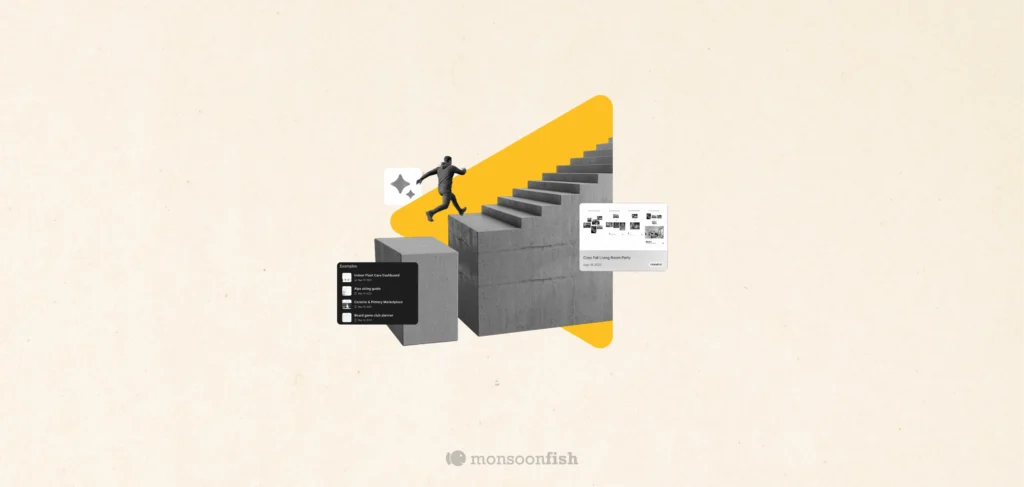
Google Labs is quietly building AI tools that don’t replace workflows, they sit on top of them. Learn how these contextual app layers reduce cognitive load at the exact moment users get stuck, and how to apply this thinking to your own product.
Why the Best Products Feel Simple… Until You Need More
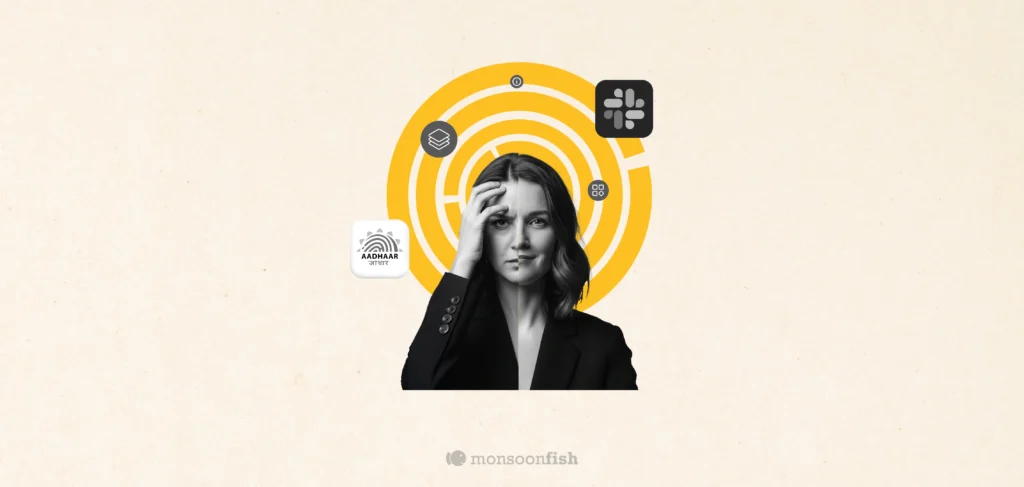
The best products don’t show everything upfront they reveal complexity gradually. From Slack to Aadhaar, this “Onion Peel Design” approach helps users stay focused, confident, and in control. Instead of cutting features, the key is layering them—so users see what they need, exactly when they need it.
AI features Users Don’t Trust Yet: Designing for Trust
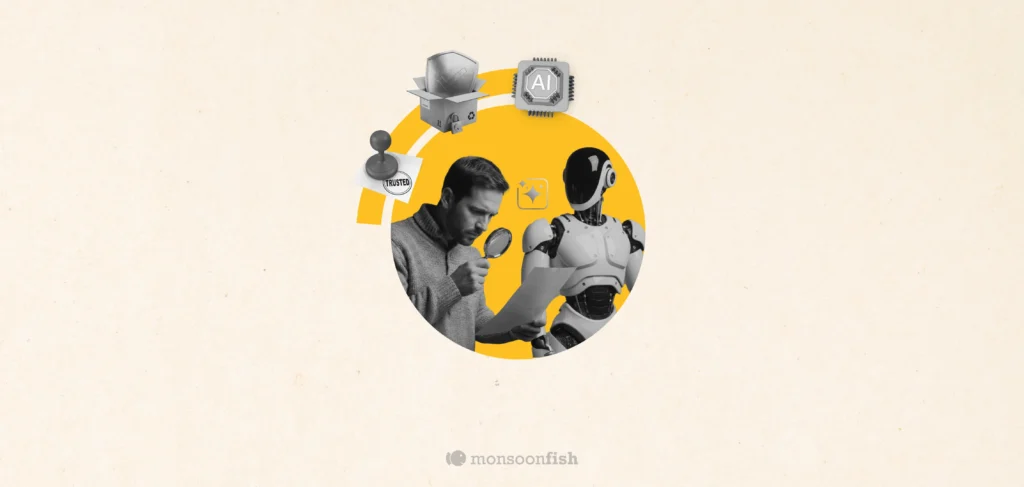
AI features can be powerful, but users still pause before trusting them. Not because they hate AI, but because the experience doesn’t make reliability obvious. This blog explores why trust breaks in AI products and the UX patterns that help users verify outputs, stay in control, and adopt AI with confidence.