Medical & Healthcare
 Cybersecurity
 Travel & Hospitality
 Edtech
 Enterprise
 Non-Profit
 Fintech
 Agritech
 Retail & Real Estate
 Design for AI
Journal

Search Journal

‘Experts possess more data than just judgments!’
The design itself is about thought leadership and designers have a powerful ability to identify valuable insights and information that exists beyond the immediate network; with a broader perspective.
Researchers and designers take this extensive information and return it to their networks with a uniquely translated message in the form of blogs or articles.
Designers can be a very picky, highly judgmental group of folks, mostly because it goes with the job! As the internet has led to the rise of wider, more robust digital networks, obtaining experts’ valuable advice (commentary/opinion) can lead to better decision-making.
Our journal consists of broader perspectives, opinions that matter, expert commentary on everything design; tips, industry insights, and the latest updates on tech, business, and trends, that can be incorporated into businesses like yours.

Why the Best Products Feel Simple… Until You Need More

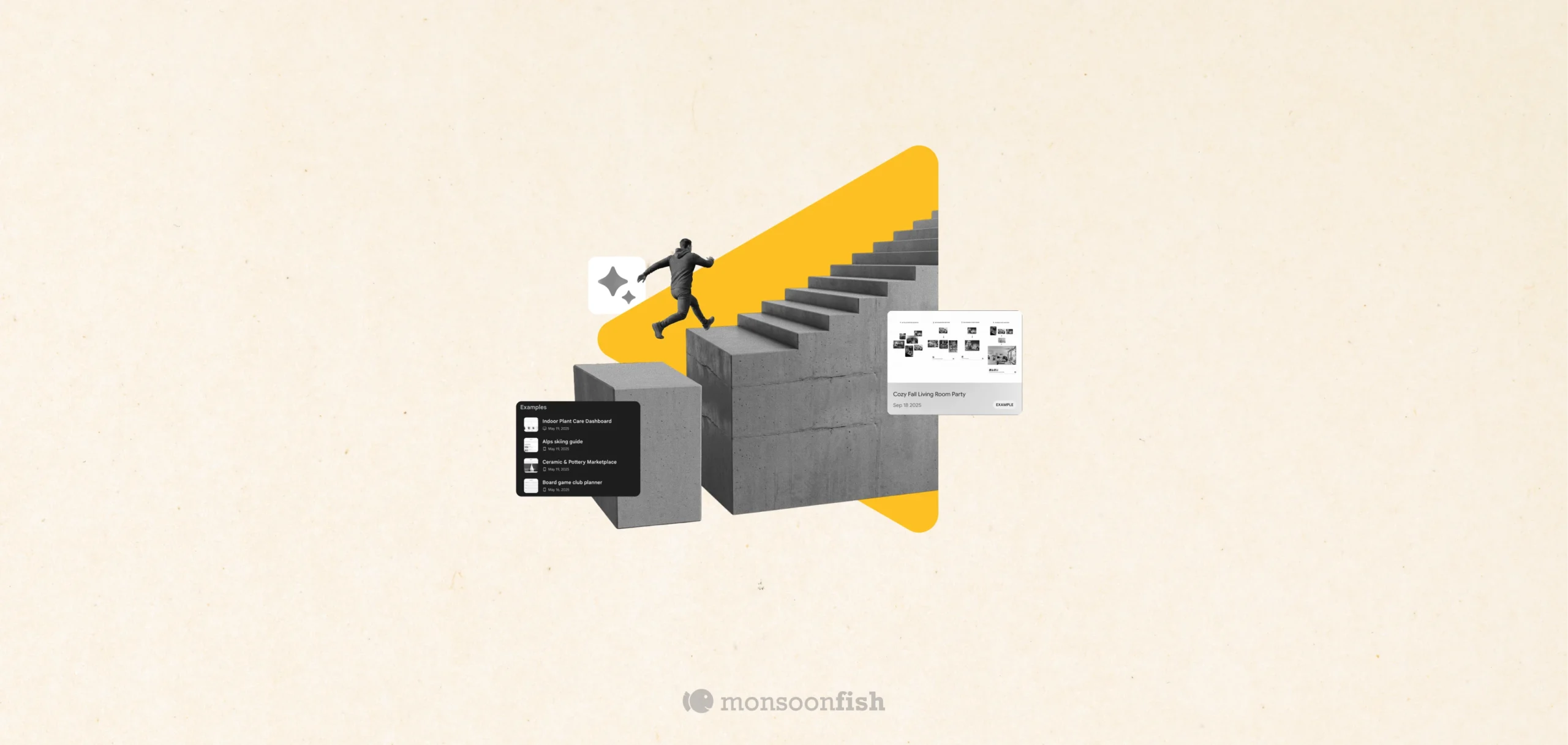
The best products don’t show everything upfront they reveal complexity gradually. From Slack to Aadhaar, this “Onion Peel Design” approach helps users stay focused, confident, and in control. Instead of cutting features, the key is layering them—so users see what they need, exactly when they need it.
AI features Users Don’t Trust Yet: Designing for Trust

AI features can be powerful, but users still pause before trusting them. Not because they hate AI, but because the experience doesn’t make reliability obvious. This blog explores why trust breaks in AI products and the UX patterns that help users verify outputs, stay in control, and adopt AI with confidence.
Good UX is boring (and that’s the point)

A friend showed me a “cool” app—animations, pulsing buttons, and micro-interactions everywhere. For a minute it looked impressive. By minute three, he was negotiating with it: double tapping, second-guessing saves, hunting for missing filters. That’s when “cool” stops being the goal. Good UX often feels boring because it quietly gets you to the outcome and gets out of your way.
The Practical AI Tool Stack for Content, Design, and Planning

Some products make you ask, “Who approved this?” Not because they’re ugly but because they’re trying to be everything. From silly combos to bloated apps, unnecessary feature bundling adds confusion, breaks trust, and increases risk. Here’s how to spot good bundles vs noise.
5 Questions to Ask Yourself as a Healthcare Product Leader, Now that ChatGPT Health is Here

ChatGPT Health turns “health chat” into a proper product surface. That changes what users expect from every healthcare app: instant clarity, calmer journeys, and fewer steps. Instead of rushing to bolt on a chatbot, use this moment to pressure-test what your product truly owns—workflows, trust, governance, outcomes, and service delivery. These five questions will help you decide where to compete with chat, and where to win with systems.
The “Who Approved This?” Problem
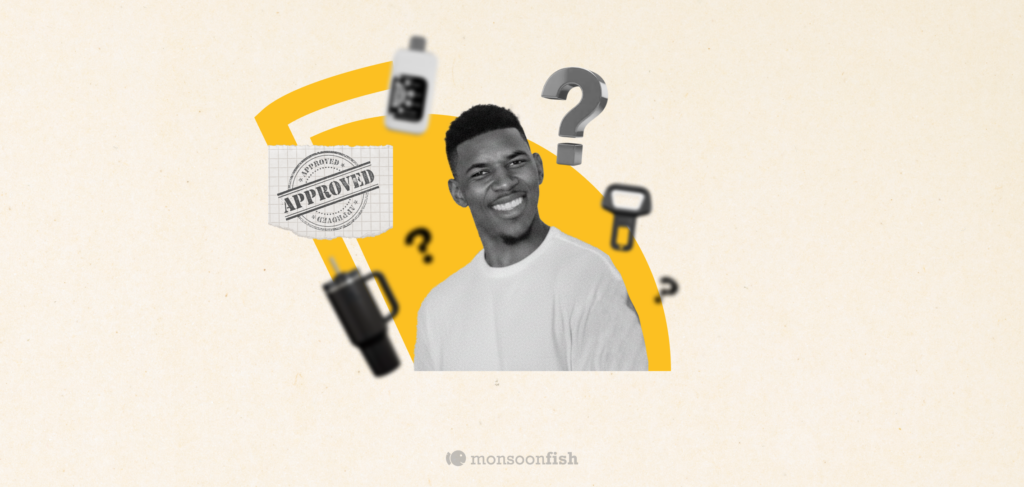
Some products make you ask, “Who approved this?” Not because they’re ugly but because they’re trying to be everything. From silly combos to bloated apps, unnecessary feature bundling adds confusion, breaks trust, and increases risk. Here’s how to spot good bundles vs noise.