Medical & Healthcare
 Cybersecurity
 Travel & Hospitality
 Edtech
 Enterprise
 Non-Profit
 Fintech
 Agritech
 Retail & Real Estate
 Design for AI
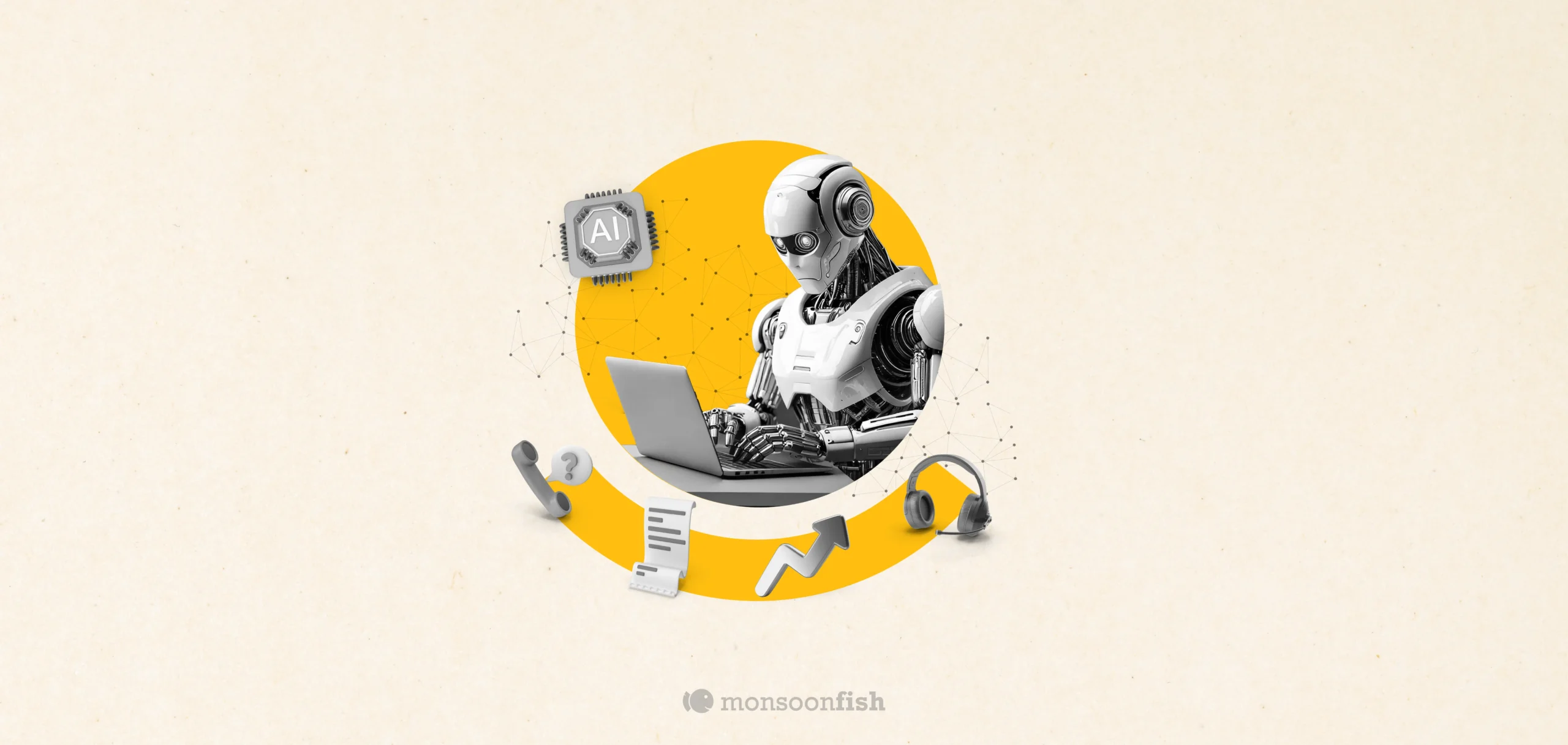
The Future with AI Agents is Here, Taking Off 2025 Onwards!
Explore how AI agents will revolutionize shopping, customer service, and UX design in 2025, offering personalized and efficient experiences.

Shravani joshi


CONTENTS
What will these AI agents do?The Impact on Digital Businesses will be HugeBut what about UX?Social Share
CATEGORIES
Imagine a world where your online shopping experience is personalized not by algorithms, but by an AI agent that gets you. It anticipates your needs, negotiates prices, and even handles returns – all without you lifting a finger. This isn’t science fiction; it’s the rapidly approaching reality of AI agents in 2025.
We’re already seeing the seeds of this transformation. Basic chatbots are evolving into sophisticated AI agents capable of handling complex tasks. By 2025, these agents will likely be deeply integrated into digital businesses, revolutionizing how companies operate and interact with customers.
What will these AI agents do?
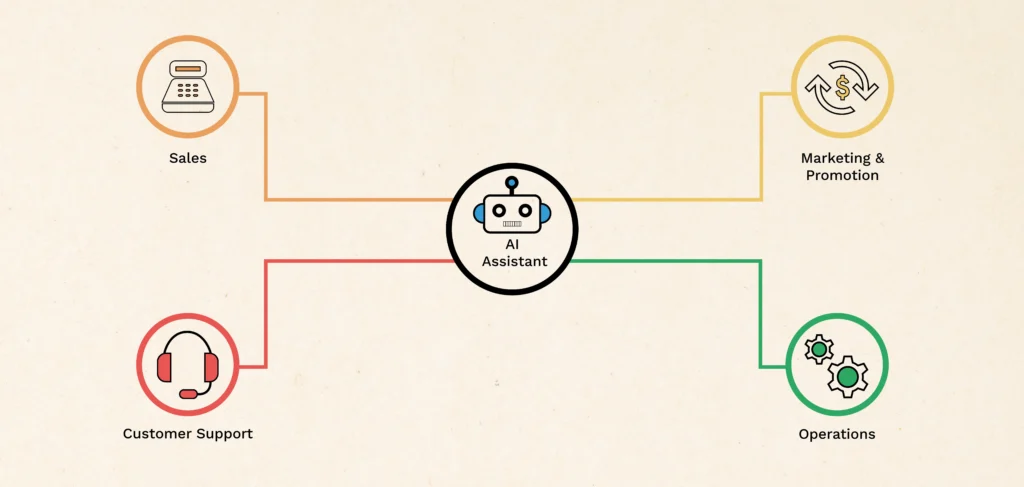
Think of them as digital employees working 24/7. They’ll be handling everything from sales and customer support to operations and even marketing. Need to reschedule a flight? Your AI agent can do it. Looking for the best deal on a new phone? Your AI agent will scour the web and negotiate on your behalf. Businesses will leverage AI agents to automate repetitive tasks, personalize customer experiences at scale, and gain deep insights into consumer behavior.
The Impact on Digital Businesses will be Huge
Increased efficiency is a given. AI agents can process information and make decisions much faster than humans, leading to streamlined operations and reduced costs. Personalization will reach new levels. Agents will have access to vast amounts of data, allowing them to tailor every interaction to the individual customer. Imagine an e-commerce site where every product recommendation, every promotional offer, is perfectly aligned with your preferences.
But what about UX?
This is where things get interesting. As AI agents become more prevalent, UX designers will need to rethink how we design digital experiences. We’ll need to create interfaces that are not only user-friendly for humans, but also “agent-friendly.” This means designing systems that allow AI agents to easily access information, understand user intent, and seamlessly interact with different platforms.
Think about it: if your AI agent is handling your online banking, the bank’s website needs to be designed in a way that your agent can easily navigate and understand. UX designers will become architects of these agent-human interactions, ensuring a smooth and positive experience for both.
The rise of AI agents in 2025 presents both challenges and opportunities. While some jobs may be displaced, new ones will emerge in areas like AI agent development, training, and UX design. The digital businesses that embrace this technology and adapt to the changing landscape will be the ones that thrive in the years to come. It’s an exciting time to be in the digital space, and the future, powered by AI agents, is just around the corner.
CATEGORIES
Google is Solving for the First 10 minutes and More
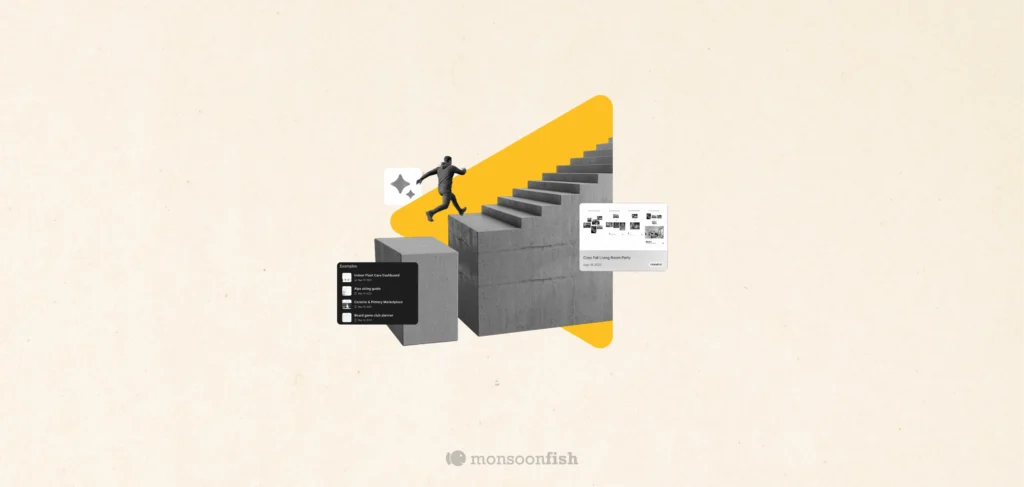
Google Labs is quietly building AI tools that don’t replace workflows, they sit on top of them. Learn how these contextual app layers reduce cognitive load at the exact moment users get stuck, and how to apply this thinking to your own product.
Why the Best Products Feel Simple… Until You Need More

The best products don’t show everything upfront they reveal complexity gradually. From Slack to Aadhaar, this “Onion Peel Design” approach helps users stay focused, confident, and in control. Instead of cutting features, the key is layering them—so users see what they need, exactly when they need it.
AI features Users Don’t Trust Yet: Designing for Trust

AI features can be powerful, but users still pause before trusting them. Not because they hate AI, but because the experience doesn’t make reliability obvious. This blog explores why trust breaks in AI products and the UX patterns that help users verify outputs, stay in control, and adopt AI with confidence.