Medical & Healthcare
 Cybersecurity
 Travel & Hospitality
 Edtech
 Enterprise
 Non-Profit
 Fintech
 Agritech
 Retail & Real Estate
 Design for AI
How much Technology is Too much Technology?
Remember the era when animals such as horses, camels, donkeys, etc. were the widely used mode of transport? When a four wheeler vehicle was invented to replace this transport using animals, people in that era had contrasting judgements – one where they were agasted with the ease, convenience and support the four wheelers could provide. And the other opinion was that this innovation can be harmful to humans and animals through accidents being caused!

Geetesh
UX Practice Head
Social Share


Social Share
CATEGORIES
This was just an example for stating that the innovations and inventions that we are using today on a daily basis were once unknown to humans. Any invention always faces contrasting judgment depending on the people being affected from the invention directly or indirectly!
The world has been evolving for millions of years, and technology would further facilitate the evolution of humans! Mobile phones a few decades ago did feel like too much tech, but today, we cannot imagine our lives without it! Its application, benefit and the amount of its usage depend on us. Over-usage of anything is termed as harmful and hence, any invention consciously needs to be consumed and utilized with certain restrictions.
The intent of technological innovation changes from the perspective of its application or use case.
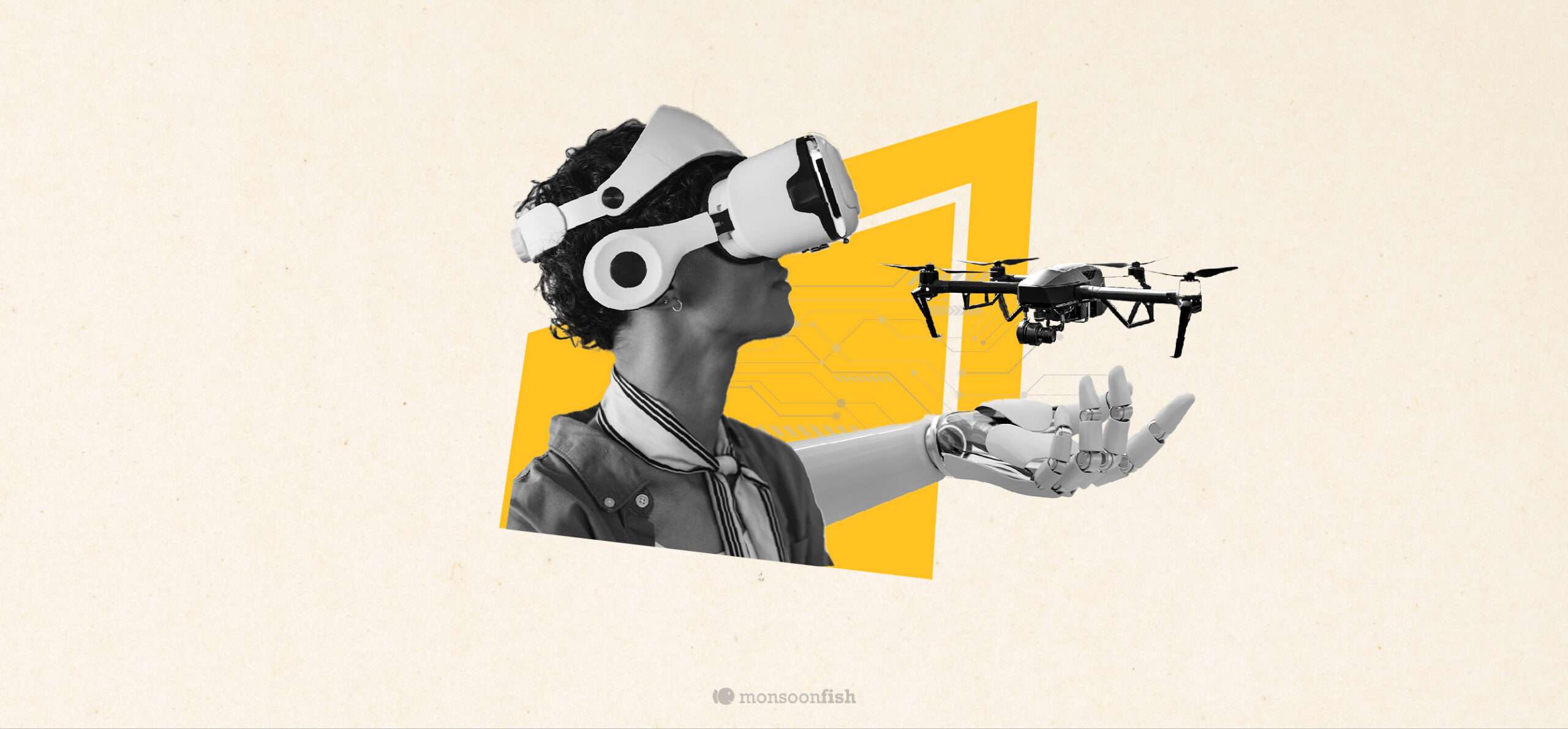
There are many visions of what our hyper-connected future might look like. We see brands packaging countless variants on the shiny-techie-future vision theme every day. Artificial intelligence and virtual reality are set to take over the next phase of digital evolution. Its application of this tech to various industries at a global scale is immense!
For example: An on-going study on the ‘mind-reading’ technology, ‘device-less phones’, etc. might feel like too much technology today. But if we take a step back and look at the mind-reading technology’s application in the medical field to understand coma patients or patients who are unable to speak then, it can be a great breakthrough for medical professionals.
The Role of Regulatory
In an ever-evolving landscape, the significance of regulation becomes increasingly evident, although navigating it can be complex. One might question the ideal extent of regulation: how much is truly beneficial or sufficient? Historical instances such as the introduction of lead through paint technology into households before its subsequent ban, or the use of CFCs in refrigerators and sprays prior to recognizing their detrimental impact on the ozone layer and subsequent prohibition, illustrate the challenge at hand. It is crucial to swiftly identify these potential hazards and establish well-calibrated regulations that not only accommodate innovative applications but also prioritize safety and the collective well-being.
There’s Nothing like ‘Too much Technology’
With each new technological advancement, a realm of challenges arises, yet it also ushers in a plethora of opportunities. Throughout history, there have been pessimistic forecasts about the potential negative impact of emerging technologies.
However, we have been consistent in adapting and prospering in diverse fields such as medical science, space exploration, communication, and countless others that have been positively influenced by technology.
Hence, there is nothing like ‘too much technology’! It’s not even good, bad or evil in itself. It’s how people choose to use it!
CATEGORIES
Google is Solving for the First 10 minutes and More
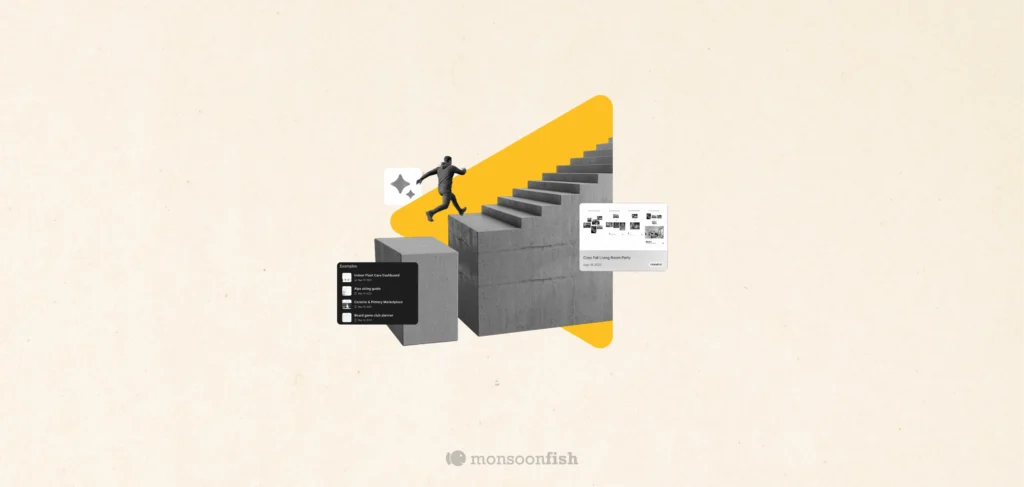
Google Labs is quietly building AI tools that don’t replace workflows, they sit on top of them. Learn how these contextual app layers reduce cognitive load at the exact moment users get stuck, and how to apply this thinking to your own product.
Why the Best Products Feel Simple… Until You Need More
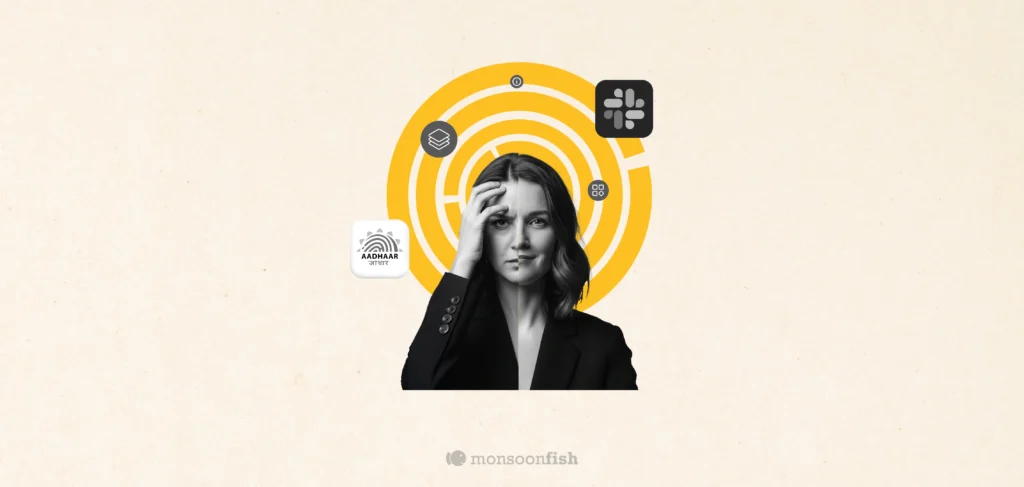
The best products don’t show everything upfront they reveal complexity gradually. From Slack to Aadhaar, this “Onion Peel Design” approach helps users stay focused, confident, and in control. Instead of cutting features, the key is layering them—so users see what they need, exactly when they need it.
AI features Users Don’t Trust Yet: Designing for Trust
AI features can be powerful, but users still pause before trusting them. Not because they hate AI, but because the experience doesn’t make reliability obvious. This blog explores why trust breaks in AI products and the UX patterns that help users verify outputs, stay in control, and adopt AI with confidence.