Medical & Healthcare
 Cybersecurity
 Travel & Hospitality
 Edtech
 Enterprise
 Non-Profit
 Fintech
 Agritech
 Retail & Real Estate
 Design for AI
Behaviour & Emotions Guide Product Decisions
Users often do much more than just complete tasks. Here, we discuss how to capture behaviour and emotions to drive effective decision making.

In most scenarios users do much more than just complete tasks. They go through a range of emotions like stress, frustration and excitement. This normally gets us folks thinking :
How can i understand what my user is going through?
How does it impact my products experience?
Some of these emotions are measurable and offer great insights as to how users use products. Here are some ways to gain insights on these.
- Eye tracking: This is used to see where all on the interface and in which order the user is looking. It normally requires a web cam setup and an eye tracking software. Some insights that come from eye tracking include
- Time spent on an area of interest
- Points looked at in an area of interest
- Duration of each fixation
- Sequence of events
- Time taken to identify an area of interest
- Revisits to an area of interest
- Emotional state: Emotional state is normally inferred from either facial expression or skin conductance.
- There are a range of devices which, when worn measure electro-dermal activity. This is derived from how much moisture is released from skin. It is possible to derive fear, joy or anger through these.
- Facial expressions can also be tracked to see whether a user is happy, surprised, sad, neutral, puzzled etc.
- Stress: Heart rate variance is the time intervals between heart beats. Today there are apps available to help measure a user’s heart rate. Understanding stress levels might help you understand what a user is going through while using your interface. In a user test your user may even be stressed because of the environment, or based on something that happens in his day to day life, so it is recommended not to use this in isolation.
Behaviour and physiological factors are a growing area and there are a range of devices that can help you track and measure the above.
As someone who owns the product we must consider if these insights will add value. Products which are closer to the user which have tasks that are business and life critical may benefit, however products with casual tasks may not need these at all.
A user experience designer, researcher with the right combination of tools can help strategize and conduct a study to gain insights in these areas. It is also great to have multiple stakeholders from product development teams involved in the process as we see how our interfaces actually unfold to users and how they feel.
Google is Solving for the First 10 minutes and More
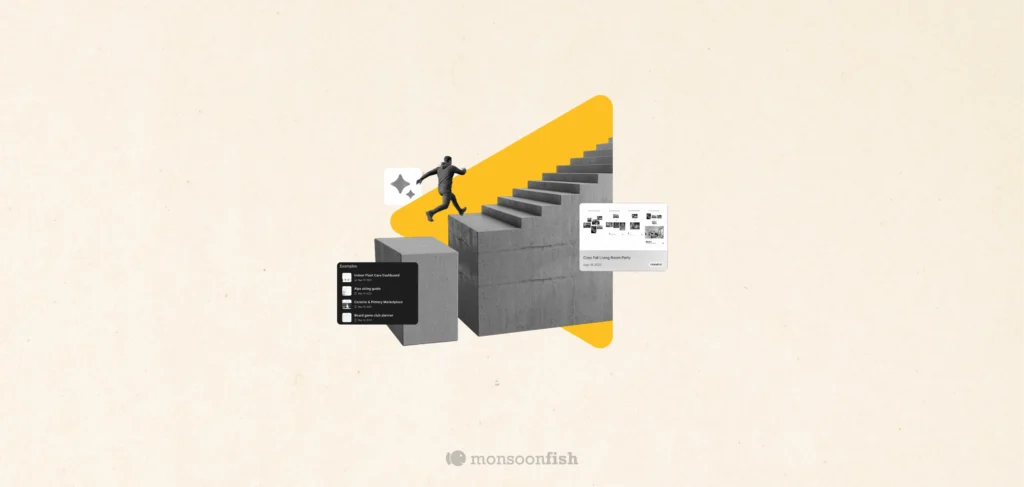
Google Labs is quietly building AI tools that don’t replace workflows, they sit on top of them. Learn how these contextual app layers reduce cognitive load at the exact moment users get stuck, and how to apply this thinking to your own product.
Why the Best Products Feel Simple… Until You Need More
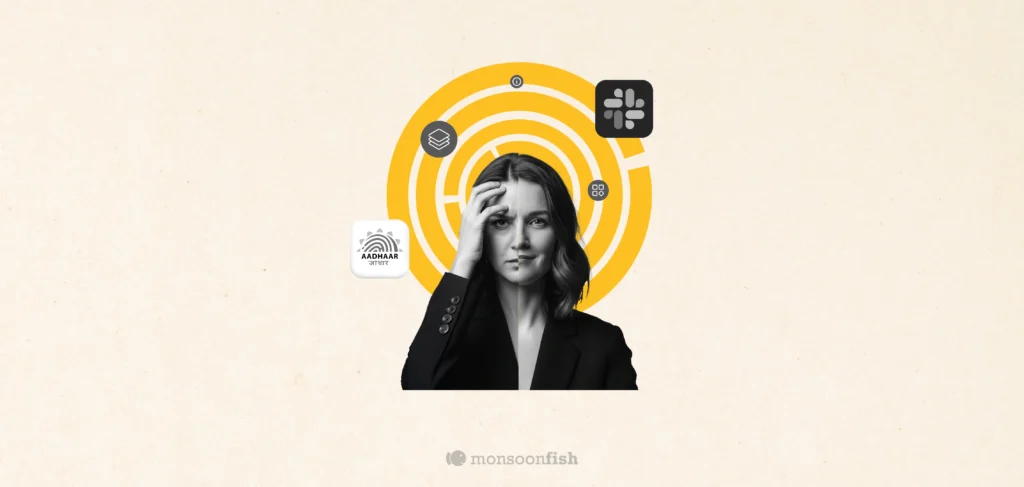
The best products don’t show everything upfront they reveal complexity gradually. From Slack to Aadhaar, this “Onion Peel Design” approach helps users stay focused, confident, and in control. Instead of cutting features, the key is layering them—so users see what they need, exactly when they need it.
AI features Users Don’t Trust Yet: Designing for Trust
AI features can be powerful, but users still pause before trusting them. Not because they hate AI, but because the experience doesn’t make reliability obvious. This blog explores why trust breaks in AI products and the UX patterns that help users verify outputs, stay in control, and adopt AI with confidence.