Medical & Healthcare
 Cybersecurity
 Travel & Hospitality
 Edtech
 Enterprise
 Non-Profit
 Fintech
 Agritech
 Retail & Real Estate
 Design for AI
UI/UX Design for BinaryFlux: Making Security Operations Clear, Fast, and Actionable
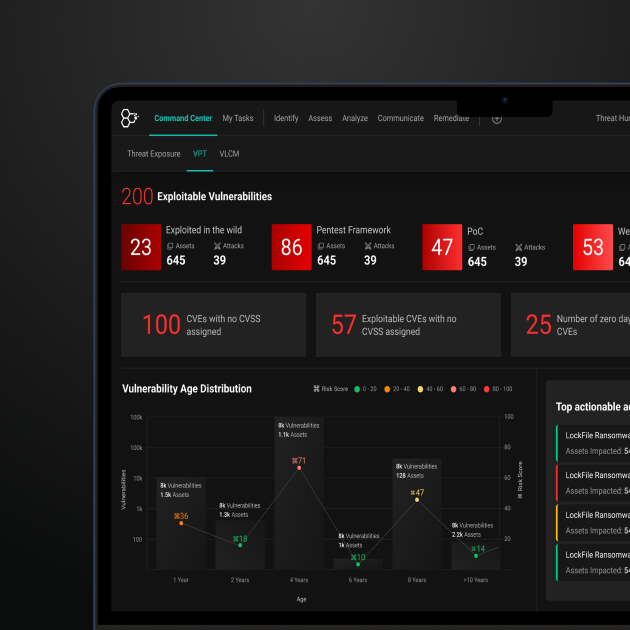
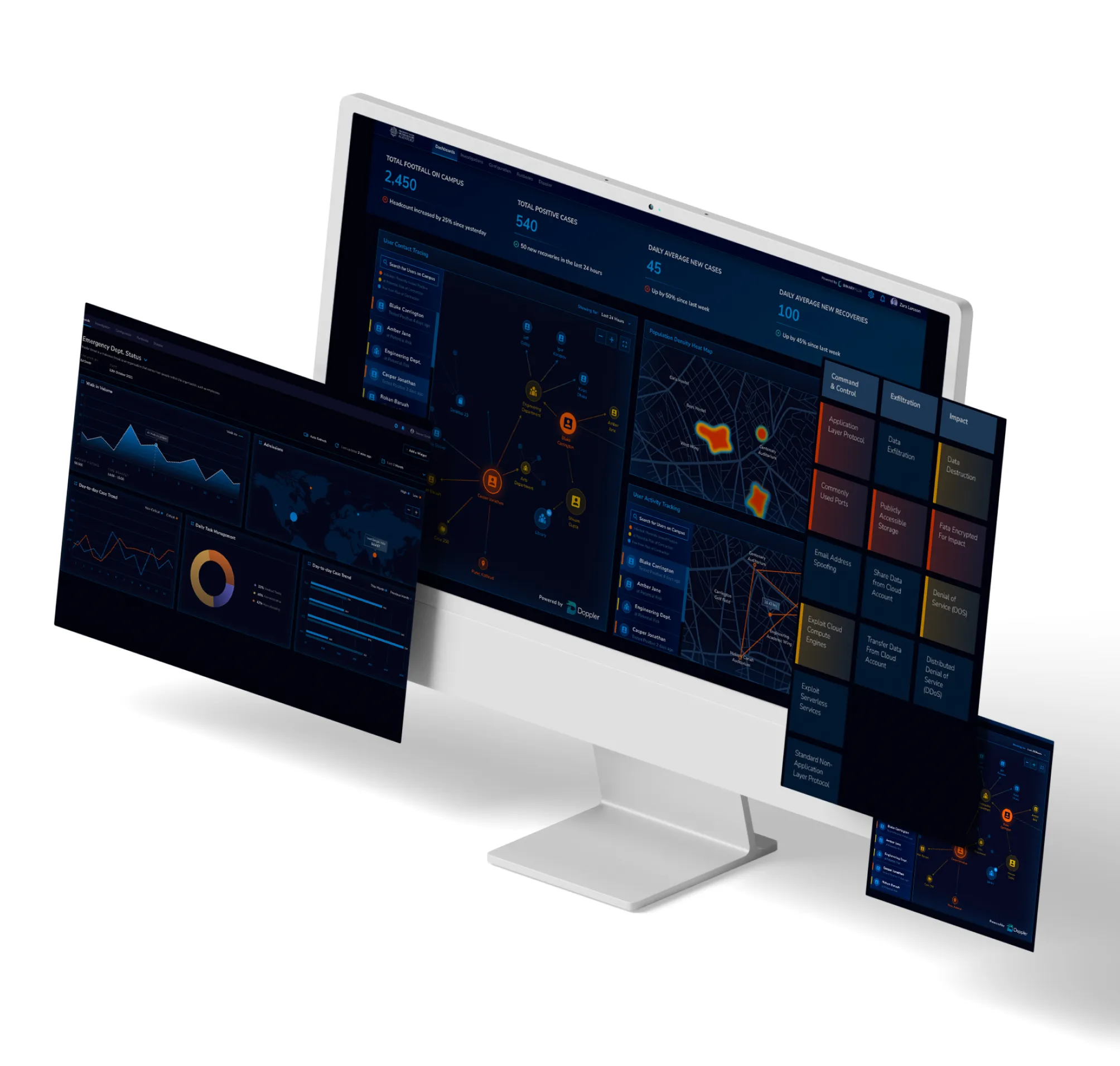
BinaryFlux is a cybersecurity automation platform built for Security Operations Centers (SOC) to streamline workflows, accelerate investigations, and strengthen incident response. The platform consolidates threat data, logs, and alerts into a unified view powered by AI and graph intelligence.


Objective of Design
Our design for BinaryFlux focused on balancing power and clarity within one seamless experience.
- Simplify Complex Data: Transform massive, interlinked security information into visual clarity using graph-based layouts and intuitive hierarchies.
- Empower Analysts: Enable analysts to triage, correlate, and act on threats faster through visual cues and contextual workflows.
- Strengthen Decision Confidence: Help CISOs monitor incident health, risk levels, and mitigation performance in real time.
- Enhance AI Transparency: Integrate AI suggestions within the flow—helpful but never intrusive—to build analyst trust.
- Consistency Across Roles: Create a system that works for both technical analysts and business leaders with adaptable dashboards.
Our Process

Pain Points
User Challenges
- Analysts faced information overload with scattered alerts, logs, and indicators spread across tools.
- Critical insights were buried under repetitive or false alerts, increasing investigation time.
- Decision fatigue caused delayed response and inconsistent triage quality.
Systemic Challenges:
- Security leaders lacked a unified view to assess risk posture across departments.
- Fragmented workflows made it difficult to scale or audit response efforts.
- Existing tools were technically dense, creating a steep learning curve for new users.

Discovery
To uncover real-world context, we conducted stakeholder discussions and heuristic audits across SOC teams.
- User Research: Shadowed security analysts to understand how they investigate incidents and where friction arises.
- Gap Analysis: Mapped redundant tool overlaps and cognitive load triggers within the investigation flow.
- Persona Definition: Defined two key personas: the SOC Analyst (fast, detailed, needs clarity) and CISO (strategic, high-level, needs assurance)
- Feature Prioritization: With BinaryFlux teams, we prioritized visual intelligence, contextual linking, and automation of routine tasks.

Implementation
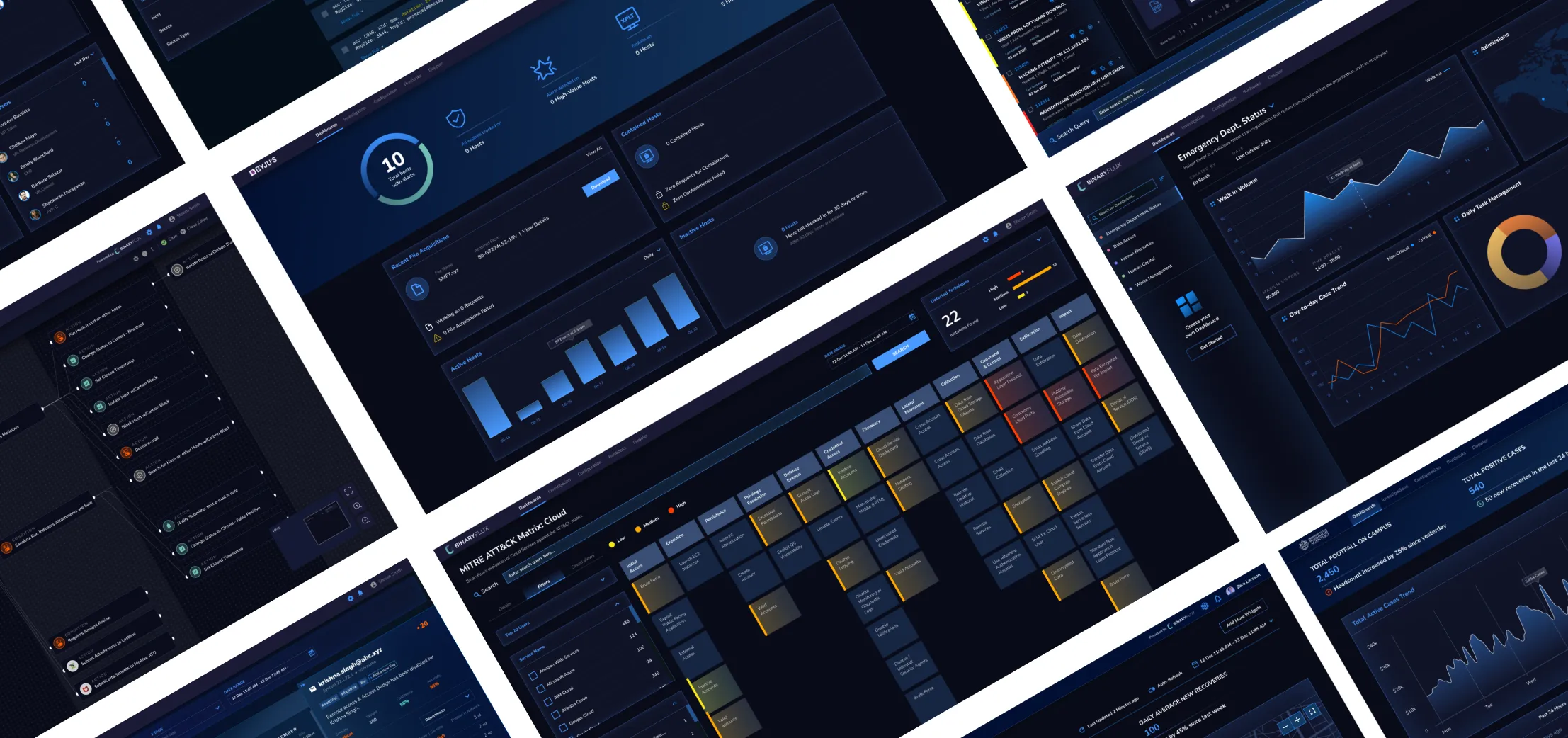
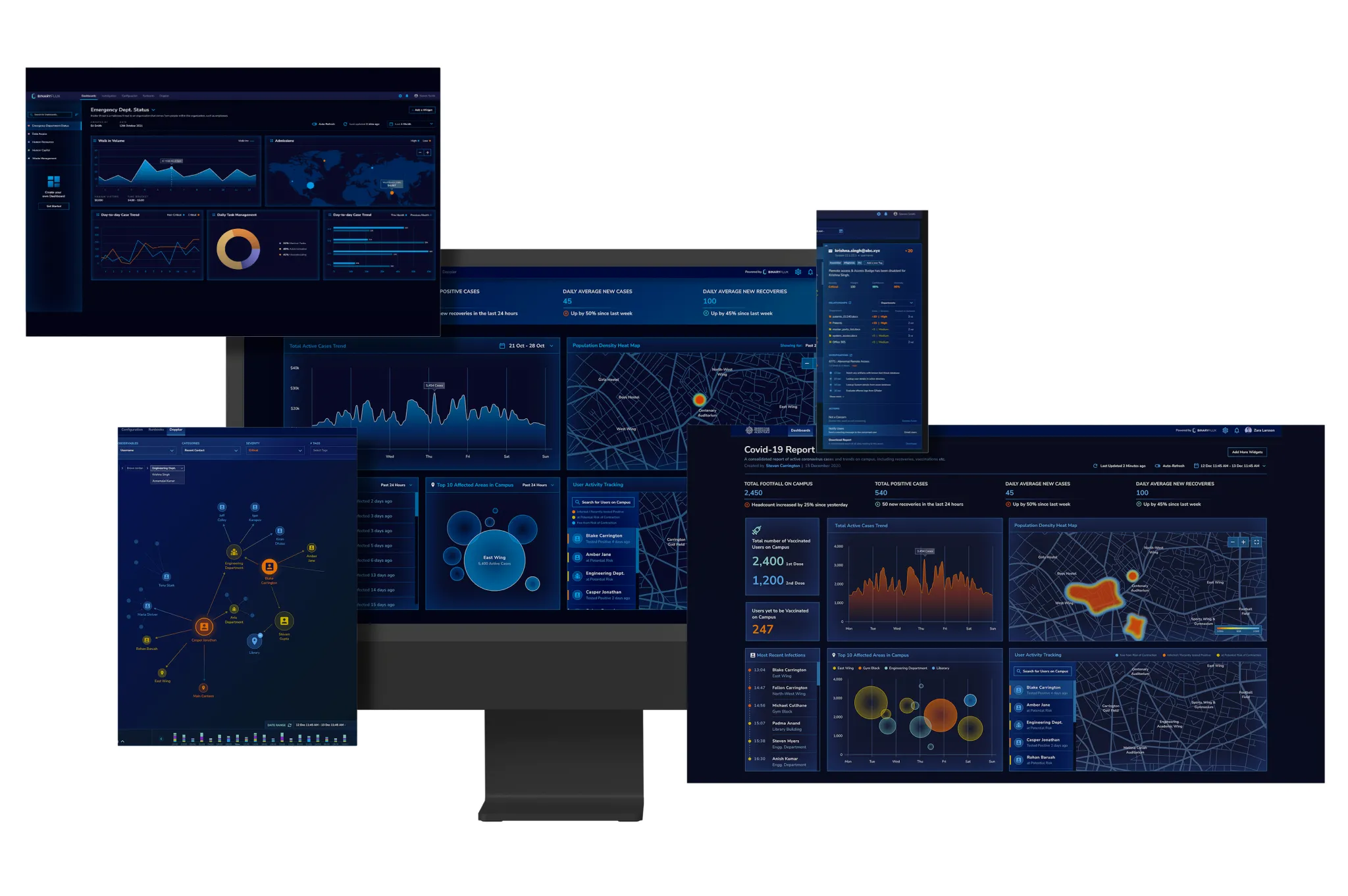
The design evolved into a clean, intelligence-first interface that made complex investigations visual and intuitive.
- Threat Graph Visualization: A GNN-powered map connecting entities (devices, users, events) to highlight relationships and attack paths.
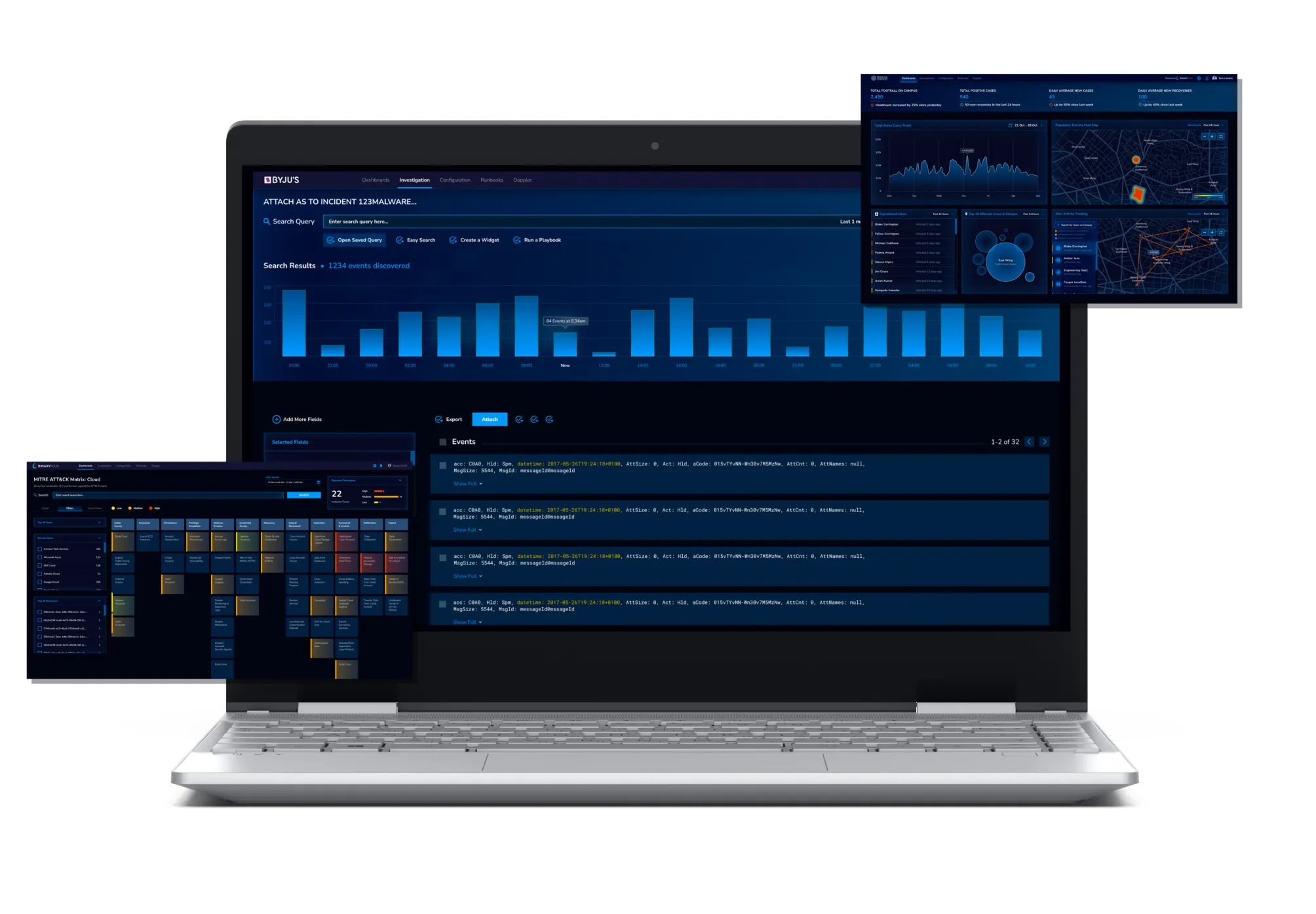
- Unified Triage Console: Combined alert feed, entity details, and investigation context within one workspace—minimizing tab hopping.
- Priority Scoring System: Severity-based visual indicators to help analysts focus on what matters first.
- Action Shortcuts: Quick “respond,” “isolate,” and “escalate” actions built directly into the alert feed.
- Dark Themed UI: A functional and immersive environment optimized for long analyst hours and high cognitive focus.
Outcomes
Outcomes
Team Monsoonfish approached BinaryFlux with a design thinking mindset: merging usability, cognition, and security precision. The resulting platform offered analysts a faster, more confident way to understand complex data relationships, identify risks, and take action.
By combining AI-powered graph visualization with simplified workflows, BinaryFlux became a powerful yet approachable platform for both security analysts and CISOs. The redesigned experience transformed high-volume data into clear, actionable intelligence.
Empowering Analysts: BinaryFlux’s AI-Driven Security Platform
Empowering Analysts: BinaryFlux’s AI-Driven Security Platform
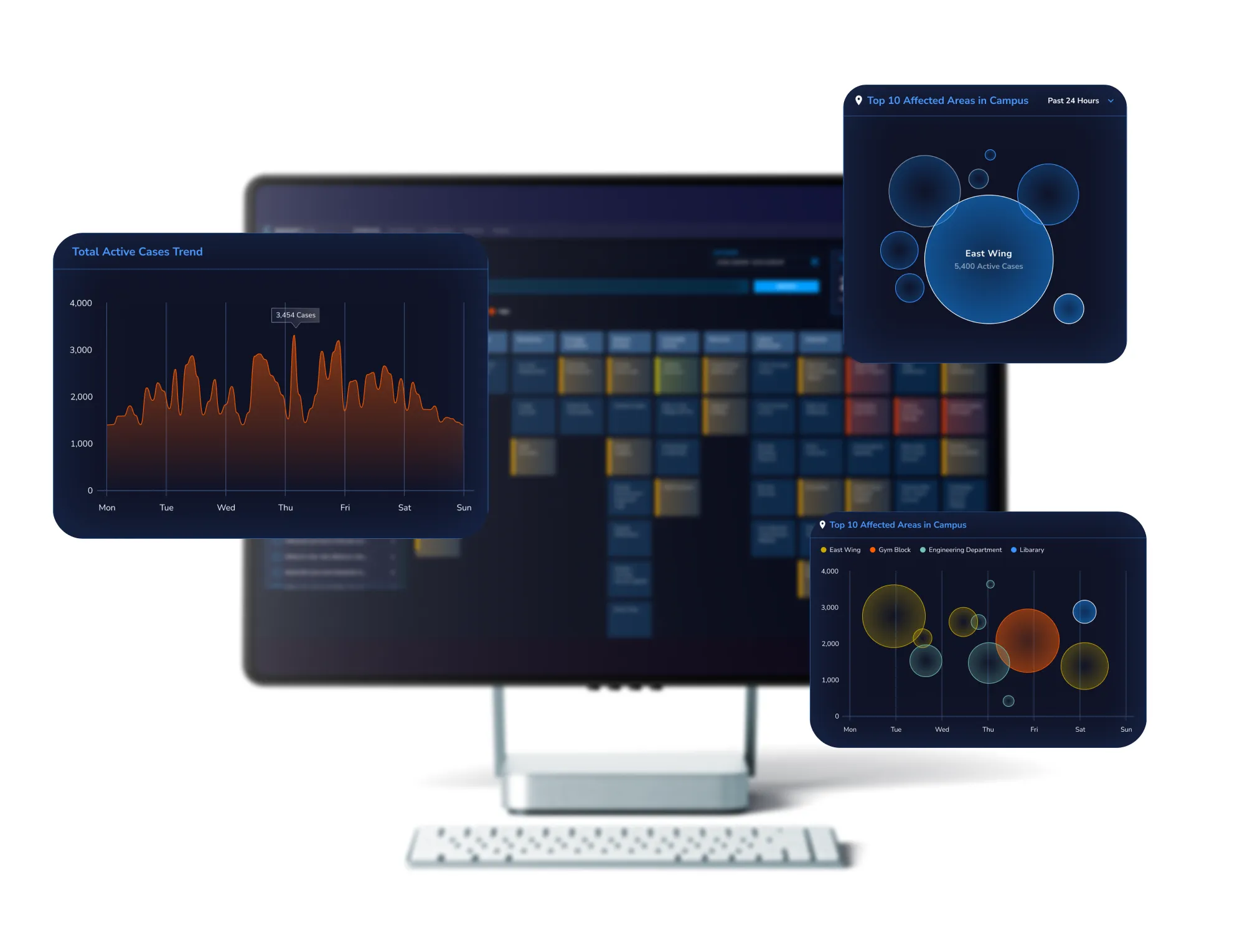
- Built on a user-centric foundation, BinaryFlux gives analysts a clearer, more structured way to investigate and respond to cyber threats. By merging AI-powered visualization with intuitive interaction design, it turns overwhelming security data into clear, actionable insight. Graph-based threat mapping, unified triage consoles, and priority scoring enable faster decisions and reduce fatigue. For CISOs, real-time dashboards offer transparency and confidence at every level. By balancing technical depth with usability, BinaryFlux bridges the gap between complex cybersecurity operations and human clarity—empowering teams to respond with precision, speed, and trust.
Impact
Business Impact
- Faster Investigations: Streamlined triage and investigation workflows, increasing overall analyst efficiency.
- Higher Product Adoption: Intuitive navigation and contextual design led to stronger adoption across SOC teams.
- Stronger Market Positioning: A user-centric, AI-driven experience helped BinaryFlux stand out in the cybersecurity platform space.
User Impact
- Reduced Cognitive Overload: Clear layouts and visual hierarchy eased mental strain and investigation fatigue.
- Quicker Threat Correlation: Graph-based views enabled analysts to see relationships and threat paths within seconds.
- Greater Confidence in Decisions: Transparent, accessible AI insights improved trust and speed of response for security teams.
Let’s explore your project.
Book a free slot or share your email.
Or just share your email
We’ll reach out.
Other CASE STUDIES